Pliny the Younger had a problem, and he wasn’t entirely sure what the law said to do about it. People in his province were being accused of Christianity. He could interrogate them, but he couldn’t quite figure out why the movement was so difficult to suppress.
So around AD 112 he did what a Roman governor did when faced with a difficult question of policy. He wrote to the emperor.
A governor asks for instructions
Pliny governed Bithynia and Pontus, a region in what is now northern Turkey. People accused of being Christians were being brought before him, and he wanted advice on how to handle them.
Pliny describes questioning the accused and giving them an opportunity to renounce their allegiance. Some did. Others refused, even when threatened with punishment.
He wasn’t conducting a Bible study or recording the history of Jesus’ life. He was trying to make a governmental decision about people whose religious convictions he didn’t understand.
A gathering before sunrise
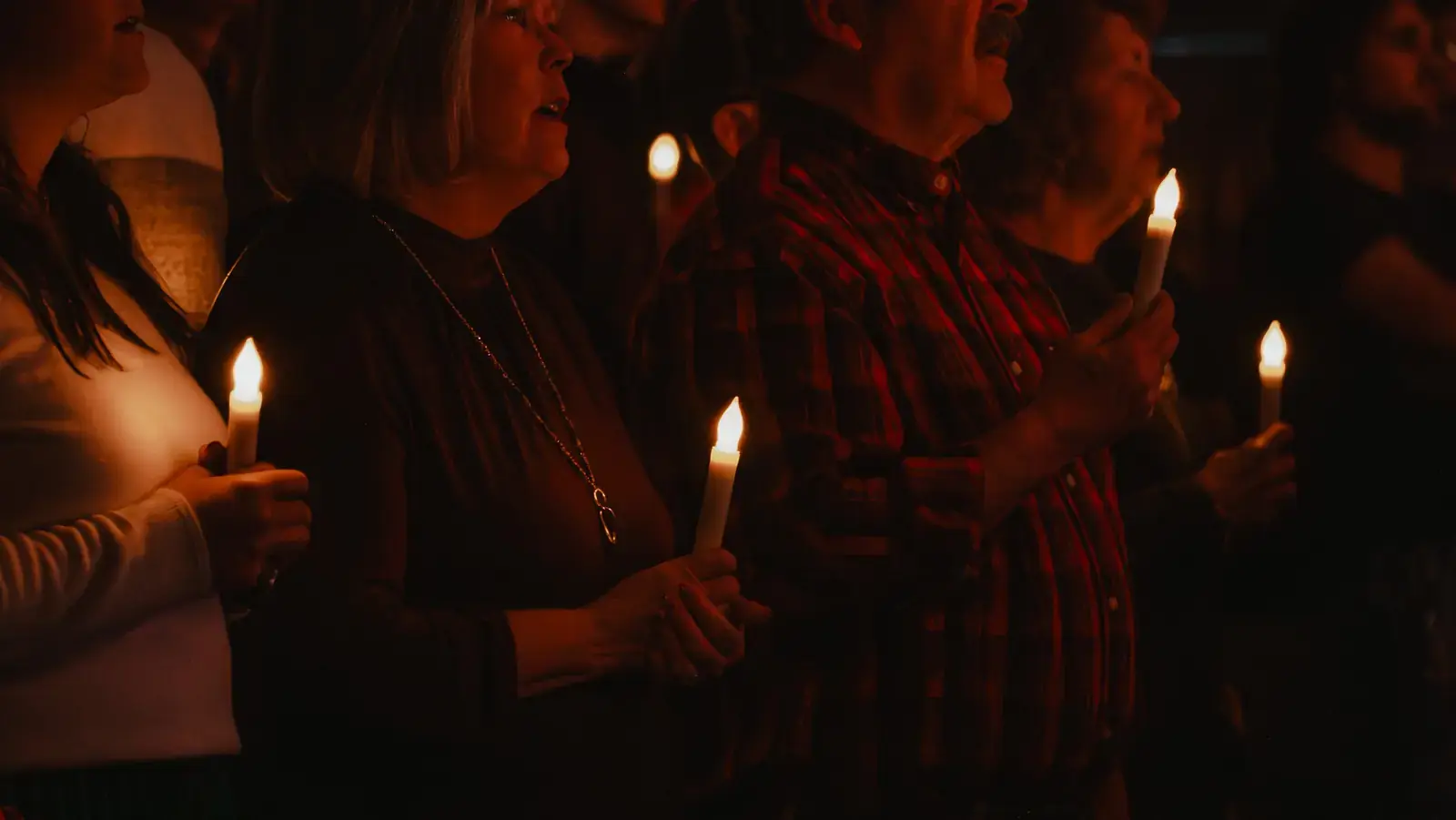
According to Pliny, Christians gathered on a designated day before dawn and sang to Christ as divine. They committed themselves to honest conduct and later shared food together.
Think about how interesting that is. By the early second century, people in a Roman province hundreds of miles from Jerusalem worshiped Jesus and organized their lives around His teaching.
Pliny describes the movement as extending across different ages, social classes and locations. Christianity was no longer confined to a few Jewish followers of Jesus.
Centuries before Nicaea
Sometimes people suggest that Jesus was considered only a moral teacher until church leaders decided centuries later to make Him divine. Pliny’s letter presents a challenge to that view.
Long before the Council of Nicaea in AD 325, a Roman administrator was describing Christians who worshiped Christ as divine. And the New Testament contains even earlier expressions of that conviction, including Philippians 2:6–11.
Debates about how to articulate Jesus’ divinity came later. Worship of Jesus was already part of the earliest movement.
An unexpected historical record
Pliny never intended to preserve an accurate Christian confession of faith. He simply described what people had told him during interrogation. And yet here we have a Roman official reporting that Christians worshiped Jesus as divine, gathered regularly and took seriously how they treated their neighbors. The letter is an extraordinary window into the church of the early second century.
Interested in the historical evidence for Jesus? Read Was Jesus a Real Person? What Historians Outside the Bible Say.